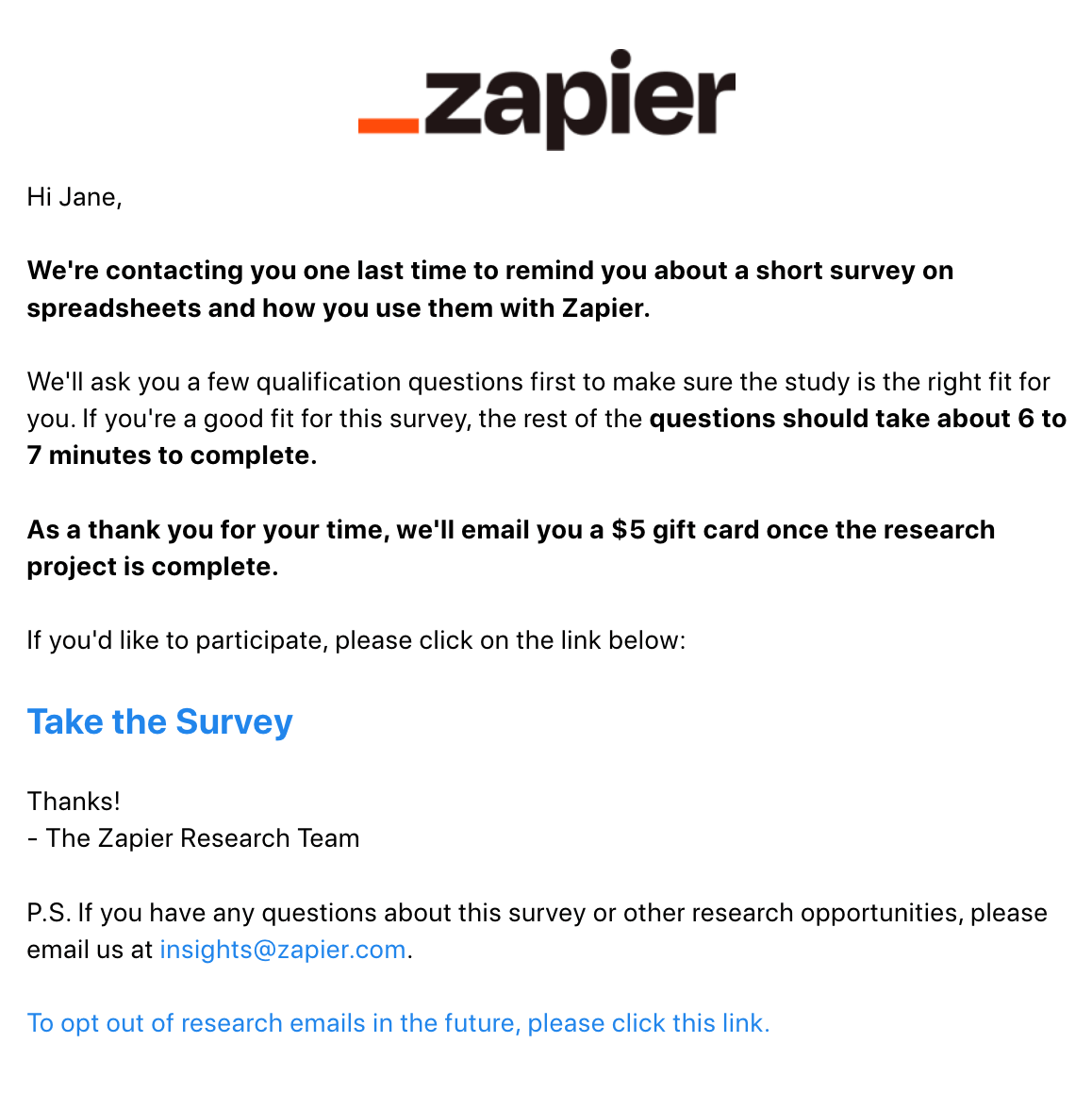

Email communicating is a cornerstone of modernistic occupation and personal interactions. Whether you're sending a quick update to a colleague or drafting a detailed proposal to a client, the ability to Complete The Email efficaciously is crucial. This usher will walk you through the indispensable steps to crafting a professional and impactful email, ensuring that your messages are clear, concise, and obligate.
Understanding the Basics of Email Communication
Before dive into the specifics of Complete The Email, it's crucial to translate the fundamentals of email communication. Emails serve respective purposes, from informal chats to formal line agreement. Knowing the context and purpose of your email will help you sartor your message fitly.
Here are some key points to reckon:
- Purpose: Clearly delimit why you are direct the email. Is it to inform, request, or persuade?
- Audience: Understand who will be reading your email. Tailor your language and tone to suit your hearing.
- Tone: Maintain a professional yet approachable tone. Avoid using jargon or too complex language unless necessary.
Crafting the Perfect Subject Line
The subject line is the first thing recipients see, and it plays a all-important role in find whether your email will be opened. A easily crafted subject line can importantly increase the likelihood of your email being read. Here are some tips for creating an effective subject line:
- Be Concise: Keep it short and to the point. Aim for 50 characters or less.
- Be Specific: Clearly state the purpose of the email. for instance, "Meeting Request for Project Update" is more specific than "Meeting Request".
- Avoid Spam Triggers: Words like "free", "pressing", or excessive use of exclaiming marks can initiation spam filters.
Structuring Your Email
Once you have a compelling subject line, the next step is to construction your email effectively. A good structured email ensures that your message is open and easy to follow. Here s a basic structure to Complete The Email:
Greeting
The greeting sets the tone for your email. Use a formal greeting for professional emails and a more casual one for personal or informal emails.
- Formal: "Dear [Recipient's Name]",
- Informal: "Hi [Recipient's Name]",
Introduction
The introduction should concisely state the purpose of your email. This helps the recipient understand what to expect and sets the context for the rest of the message.
Body
The body of the email should contain the main content. Break it down into paragraphs or bullet points to make it easier to read. Here are some tips for indite the body:
- Be Clear and Concise: Avoid unneeded details and get to the point quickly.
- Use Bullet Points: For lists or multiple points, use bullet points to heighten readability.
- Provide Context: Ensure the recipient has enough info to understand your message.
Closing
The closing should summarize your main points and include a open call to action if necessary. End with a polite and professional shut phrase.
- Formal: "Best regards", or "Sincerely",
- Informal: "Best", or "Cheers",
Signature
Include your contact info in the touch. This makes it easy for the recipient to get in touch with you if demand.
Common Email Templates
Having templates for common email scenarios can relieve time and ensure consistency. Here are a few templates to aid you Complete The Email for different purposes:
Meeting Request
Subject: Meeting Request for [Project Topic]
Dear [Recipient's Name],
I hope this email finds you easily. I am indite to request a meeting to discuss [specific topic or labor].
Please let me know your accessibility for the following dates and times:
| Date | Time |
|---|---|
| Monday, [Date] | 10: 00 AM 11: 00 AM |
| Tuesday, [Date] | 2: 00 PM 3: 00 PM |
Looking forward to your response.
Best regards,
[Your Name]
Follow Up Email
Subject: Follow Up on [Previous Email Topic]
Hi [Recipient's Name],
I hope you are doing well. I am following up on my previous email regarding [specific topic or project].
Please let me cognize if you have had a chance to review the info and if there are any questions or concerns.
Looking forward to your response.
Best regards,
[Your Name]
Project Update
Subject: Project Update [Project Name]
Dear [Recipient's Name],
I am writing to provide an update on the progress of [Project Name].
Here are the key points:
- Current Status: [Brief description of the current status]
- Next Steps: [Outline the next steps]
- Timeline: [Provide a timeline for closing]
Please let me know if you have any questions or need further info.
Best regards,
[Your Name]
Note: Customize these templates to fit your specific needs and ensure they align with your organization's communicating standards.
Best Practices for Email Communication
To ascertain your emails are effective and professional, follow these best practices:
- Proofread: Always proofread your email for import and grammar errors. A easily pen email reflects positively on you and your arrangement.
- Use a Professional Email Address: Ensure your email address is professional and allow for concern communication.
- Avoid Attachments When Possible: If you postulate to share documents, consider using cloud storage or links instead of attachments.
- Be Mindful of Tone: Read your email aloud to guarantee the tone is appropriate and professional.
Common Email Mistakes to Avoid
Even with the best intentions, mistakes can happen. Here are some common email mistakes to avoid:
- Sending to the Wrong Recipient: Double check the recipient's email address before hit send.
- Using Informal Language in Professional Emails: Maintain a professional tone in all occupation communications.
- Overloading with Information: Keep your emails concise and to the point. Avoid overtake the recipient with too much info.
- Ignoring Follow Ups: If you find a follow up email, respond quick to preserve good communicating.
Note: Regularly review your email practices to place areas for improvement and ascertain you are following best practices.
Email communication is a vital skill in both personal and professional settings. By understand the basics, structure your emails efficaciously, and following best practices, you can Complete The Email with confidence and professionalism. Whether you re drafting a quick note or a detail report, these guidelines will assist you craft emails that are open, concise, and compel.
Related Terms:
- how to get an email
- how to send an email
- how to write an email
- starting and finishing emails uk
- formal email for occupation success