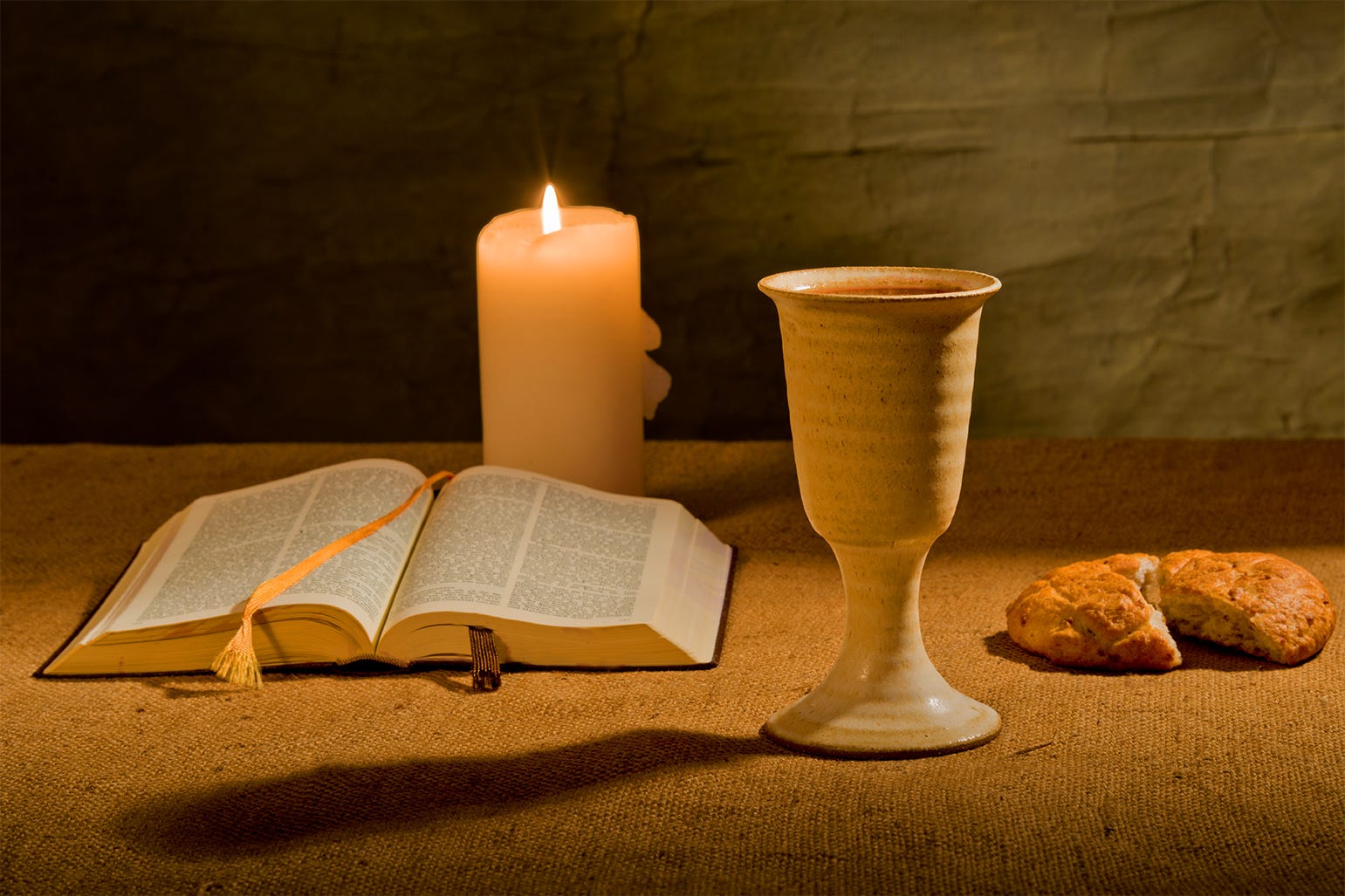

The Lord's Supper, also known as Communion or the Eucharist, is a sacred ritual observed by Christians worldwide. It is a profound and meaningful practice that commemorates the last supper Jesus partake with his disciples before his crucifixion. This ritual holds deep religious significance and is a cornerstone of Christian worship. Understanding the history, symbolism, and practices beleaguer The Lord's Supper can enrich one's faith and discernment for this sacred act.
The Historical Context of The Lord's Supper
The origins of The Lord's Supper can be line back to the New Testament, specifically to the accounts in the Gospels of Matthew, Mark, Luke, and the First Epistle to the Corinthians. During the Last Supper, Jesus took bread, gave thanks, broke it, and gave it to his disciples, saying, "Take, eat; this is my body". He then took the cup, gave thanks, and gave it to them, aver, "Drink from it, all of you. This is my blood of the covenant, which is decant out for many for the pardon of sins. "(Matthew 26: 26 28)
This act was a fulfillment of the Jewish Passover meal, which commemorated the Israelites' release from slavery in Egypt. By establish The Lord's Supper, Jesus demonstrate a new covenant, one that would be sealed with his own blood. This ritual became a primal part of early Christian adoration, as seen in the writings of the apostles and the betimes Church Fathers.
The Symbolism of The Lord's Supper
The Lord's Supper is rich in symbolism, with each element carrying deep spiritual meaning. The bread represents the body of Christ, broken for the sins of man. It symbolizes the sacrifice Jesus made on the cross and the nourishment he provides for the soul. The cup, filled with wine or grape juice, represents the blood of Christ, shed for the pardon of sins. It signifies the new covenant between God and his people, seal with the blood of Jesus.
Participating in The Lord's Supper is a way for believers to remember and reflect on the sacrifice of Jesus. It is a time to examine one's heart, confess sins, and seek forgiveness. The act of partaking in the bread and cup is a tangible expression of faith and a admonisher of the religious union believers have with Christ.
The Practices of The Lord's Supper
The practices surrounding The Lord's Supper vary among different Christian denominations, but the core elements remain consistent. Here are some mutual practices:
- Frequency: Some churches observe The Lord's Supper hebdomadally, while others do so monthly or quarterly. The frequency can depend on the denomination's traditions and the church's liturgical calendar.
- Elements: The elements used in The Lord's Supper are typically bread and wine or grape juice. The bread can be unleavened, as in the Jewish Passover, or leaven, calculate on the custom. The wine or grape juice represents the blood of Christ.
- Preparation: Before partaking in The Lord's Supper, believers are oftentimes further to engage in self examination and penance. This involves meditate on one's sins, seeking pardon, and making amends where necessary.
- Administration: The Lord's Supper is usually administered by a pastor or senior during a worship service. The bread and cup are spread to the fold, who partake together as a community of faith.
Some churches practice open communion, where anyone who believes in Jesus Christ is welcome to participate, careless of their denominational affiliation. Other churches practice fold communion, where only members of the specific denomination or congregation are countenance to partake.
Theological Perspectives on The Lord's Supper
Different Christian denominations have varying theological perspectives on The Lord's Supper. These perspectives shape how the ritual is understood and practise. Here are some key views:
| Denomination | Perspective |
|---|---|
| Roman Catholic | Transubstantiation: The bread and wine are transubstantiate into the actual body and blood of Christ, while retaining the appearing of bread and wine. |
| Eastern Orthodox | Transubstantiation: Similar to the Roman Catholic view, but with a centre on the mystical union with Christ. |
| Protestant (Lutheran) | Consubstantiation: The body and blood of Christ are present "in, with, and under" the bread and wine. |
| Protestant (Reformed) | Spiritual Presence: The bread and wine are symbols that represent the spiritual front of Christ. |
| Protestant (Baptist, Methodist, etc.) | Memorial View: The bread and wine are symbols that memorialize the sacrifice of Christ and remind believers of his presence. |
These theological perspectives spotlight the variety of beliefs within Christianity regard The Lord's Supper. Despite these differences, the core purpose of remember and ruminate on the sacrifice of Jesus remains consistent.
Note: The theological perspectives on The Lord's Supper can vary even within denominations, and case-by-case beliefs may differ from the official stance of a particular church.
The Significance of The Lord's Supper in Christian Life
The Lord's Supper plays a important role in the spiritual life of Christians. It serves as a admonisher of the sacrifice Jesus made for humans and the new covenant established through his blood. Participating in The Lord's Supper fosters a sense of community and unity among believers, as they come together to remember and reflect on their faith.
For many Christians, The Lord's Supper is a time of personal reflection and spiritual renewal. It provides an chance to examine one's heart, confess sins, and search forgiveness. The act of touch in the bread and cup is a tangible expression of faith and a admonisher of the religious union believers have with Christ.
The Lord's Supper also serves as a learn moment for new believers and children. It provides an chance to explain the implication of Jesus' sacrifice and the meaning of the new covenant. Through participation in The Lord's Supper, believers of all ages can compound their realize of the Christian faith and their relationship with God.
The Lord's Supper is a powerful symbol of the Christian faith, represent the sacrifice of Jesus and the new covenant found through his blood. It serves as a reminder of the unearthly union believers have with Christ and the community of faith they share with one another. Through participation in The Lord's Supper, Christians can intensify their faith, seek pardon, and regain unearthly renewal.
The Lord s Supper is a sacred ritual that holds deep spiritual significance for Christians worldwide. It is a time to remember and reflect on the sacrifice of Jesus, seek forgiveness, and find spiritual renewal. The practices and theological perspectives surrounding The Lord s Supper may vary among different denominations, but the core purpose of recollect and reflecting on the sacrifice of Jesus remains consistent. Through participation in The Lord s Supper, Christians can intensify their faith, foster a sense of community, and find spiritual nourishment.
Related Terms:
- bible on the lord's supper
- mass of the lord's supper
- sermons on the lord's supper
- the lord's supper printable
- the lord's supper verses
- the lord's supper bible verse