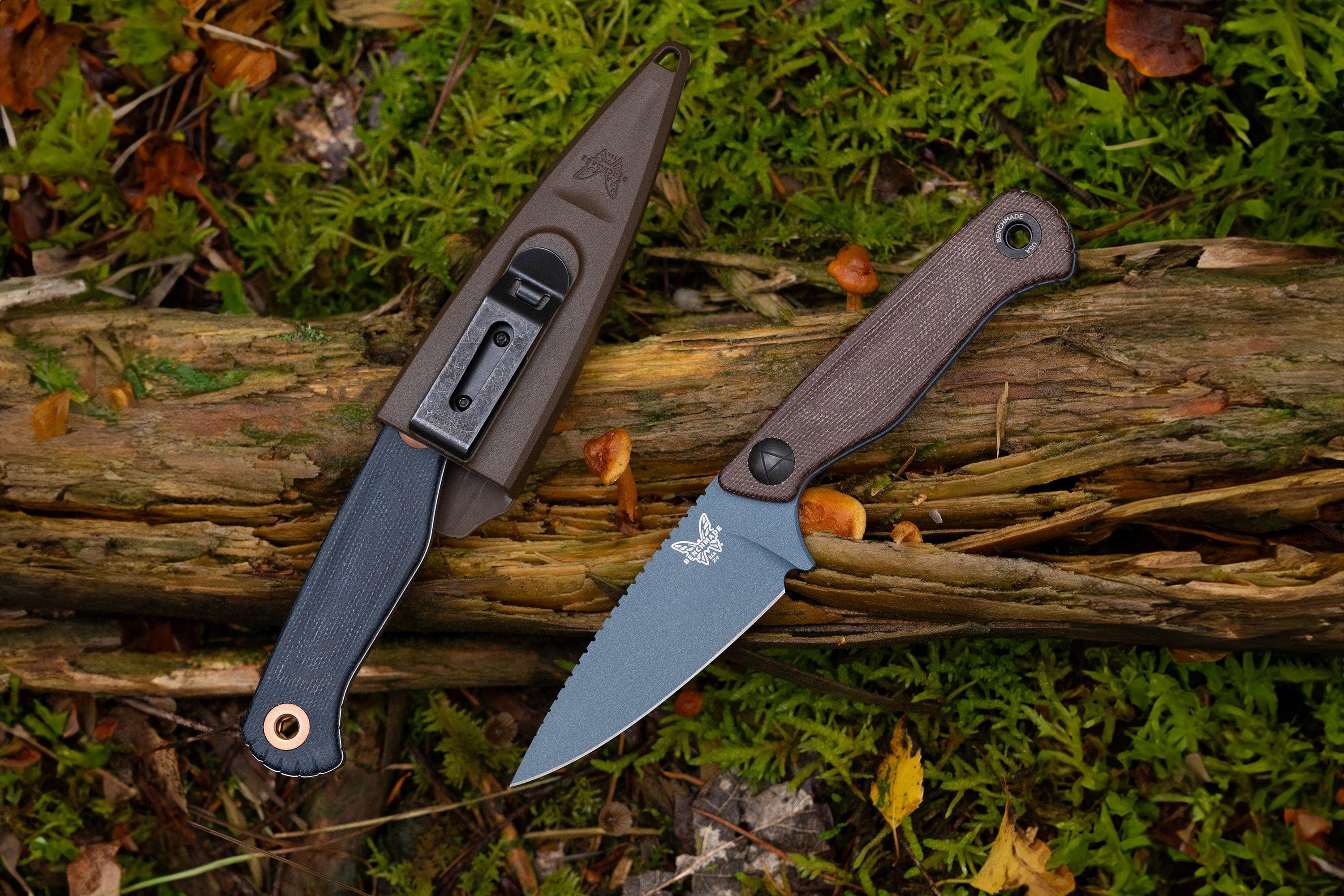

Maintaining the bite of your Benchmade knife is crucial for see its longevity and performance. Benchmade knives are renowned for their character and strength, but even the best knives require regular maintenance. This guide will walk you through the process of Benchmade knife sharpen, cater you with the noesis and techniques to keep your knife in optimal stipulation.
Understanding Benchmade Knives
Benchmade knives are craft with precision and plan to withstand rigorous use. They are democratic among outdoor enthusiasts, hunters, and professionals who rely on their knives for various tasks. The blades are typically made from eminent character materials such as CPM S30V, D2, or M390 steel, which offer excellent edge keeping and corrosion impedance.
However, even the best steel can dull over time with use. Regular sharpening is crucial to maintain the knife's slew edge and see it performs as intended. Proper Benchmade knife sharpen not only extends the life of your knife but also enhances its safety and efficiency.
Tools for Benchmade Knife Sharpening
Before you commence the sharpening process, it's important to gathering the right tools. Here are some essential items you'll want:
- Sharpening Stone: A high quality sharpen stone is indispensable for Benchmade knife sharpening. Choose a stone with a fine grit (around 1000 3000) for perfect and a coarse grit (around 400 600) for initial sharpen.
- Sharpening Angle Guide: This instrument helps you keep the correct sharpen angle, which is essential for reach a consistent edge.
- Honning Oil or Water: Depending on the type of stone you use, you may need honing oil or water to lube the surface during sharpening.
- Leather Strop: A leather strop is utile for net polishing and honing the edge after sharpening.
Steps for Benchmade Knife Sharpening
Follow these steps for effective Benchmade knife sharpen:
Step 1: Prepare Your Workspace
Choose a well lit and stable workspace. Ensure you have all the necessary tools within reach. Place a towel or non slip mat on your act surface to prevent the knife from slipping during sharpen.
Step 2: Clean the Blade
Before sharpen, clean the blade to remove any dirt, debris, or residue. Use a mild detergent and warm water, then dry the blade exhaustively. This step ensures that the sharpen summons is effective and prevents any contaminants from affecting the edge.
Step 3: Determine the Sharpening Angle
The sharpening angle is essential for maintaining the knife's edge. For Benchmade knives, a common angle is 15 20 degrees per side. Use an angle guide to ensure consistency. If you don't have an angle usher, you can use a piece of cardboard or a sharpen jig to help conserve the correct angle.
Step 4: Sharpen the Blade
Begin by soaking your sharpen stone in h2o (if it's a water stone) or apply honing oil (if it's an oil stone). Hold the knife at the determined angle and apply gentle pressing as you move the blade across the stone in a sail motion. Start with the coarse grit stone to remove any nicks or dullness, then switch to the fine grit stone for honing.
Repeat the process on both sides of the blade, ensure you maintain the same angle and press. It's important to be patient and take your time during this step to achieve a consistent edge.
Step 5: Hone the Edge
After sharpen, use a leather strop to hone the edge. Apply a small amount of honing compound to the strop and pull the blade gently across it, maintaining the same angle as during sharpening. This step helps to polish the edge and remove any burrs or imperfections.
Repeat the summons on both sides of the blade until you reach a razor sharp edge.
Note: Always sharpen in a easily ventilated country, especially if using hone oil, to avoid inhale fumes.
Maintaining Your Benchmade Knife
Regular maintenance is key to keeping your Benchmade knife in top condition. Here are some tips for maintaining your knife:
- Clean and Dry: After each use, clean and dry your knife good to prevent rust and corrosion.
- Store Properly: Store your knife in a dry place, away from moisture and extreme temperatures. Use a sheath or knife block to protect the blade.
- Regular Sharpening: Sharpen your knife regularly to maintain its edge. The frequency of sharpen depends on how often you use the knife and the tasks it performs.
- Avoid Abuse: Use your knife for its intend purposes and avoid abusing it by cutting through hard materials or using it as a pry bar.
Common Mistakes to Avoid
When execute Benchmade knife sharpen, it's important to avoid common mistakes that can damage the blade or trim its strength. Here are some pitfalls to watch out for:
- Incorrect Angle: Using the wrong sharpening angle can consequence in an uneven edge or exuberant wear on the blade.
- Excessive Pressure: Applying too much pressure during sharpen can have the blade to overheat and lose its temper, create it brittle and prone to breaking.
- Inconsistent Strokes: Inconsistent sharpening strokes can lead to an uneven edge and reduce the knife's trim performance.
- Neglecting Maintenance: Failing to clean and dry the knife after use can direct to rust and corrosion, shorten its lifespan.
By debar these mistakes and follow the proper sharpening techniques, you can assure that your Benchmade knife remains sharp and effective for years to come.
Regular Benchmade knife sharpen is an essential part of knife maintenance. By translate the process and using the right tools, you can continue your knife in optimum status and extend its lifespan. Whether you're a seasoned outdoorsman or a professional chef, maintaining a sharp edge on your Benchmade knife is crucial for its execution and safety.
Remember, the key to successful Benchmade knife sharpen is patience and consistency. Take your time, use the right tools, and follow the steps sketch in this guide to achieve a razor sharp edge every time.
to sum, Benchmade knife sharpen is a straightforward process that requires the right tools and techniques. By maintaining your knife regularly, you can ensure it remains sharp and efficacious for all your slue needs. Whether you re using your Benchmade knife for hunting, camp, or everyday tasks, proper sharpen and care will proceed it performing at its best.
Related Terms:
- sharpening angle for benchmade knives
- best sharpener for benchmade knives
- benchmade knives repair and sharpening
- benchmade free knife sharpening
- benchmade knives lifetime alimony
- benchmade sharpening angle chart