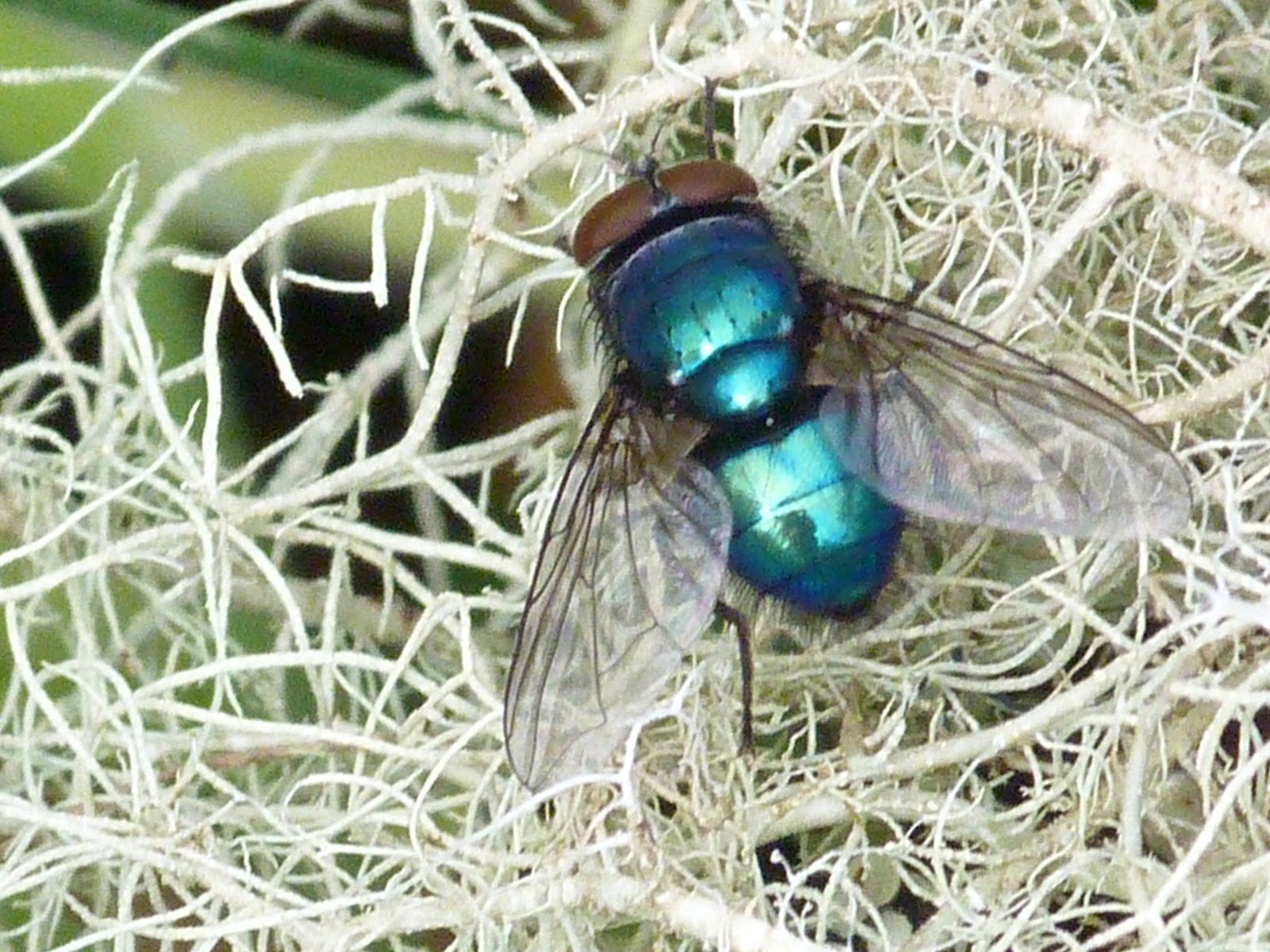

In the vast and fascinating existence of entomology, few insects seizure the imagination quite like the Blue Bottle Fly. Known for its hit metal blue color and classifiable bombilate sound, this fly is more than just a rarity; it plays a crucial role in various ecosystems and has important implications for human health and usda. This post delves into the biology, behaviour, and bionomical importance of the Blue Bottle Fly, ply a comprehensive overview of this remarkable insect.
Understanding the Blue Bottle Fly
The Blue Bottle Fly, scientifically known as Calliphora spp., belongs to the family Calliphoridae. These flies are easy placeable by their shiny, metal blue or green bodies, which can vary slightly bet on the species. The most common species include Calliphora vicina and Calliphora vomitoria, both of which are wide distributed across the globe.
Blue Bottle Flies are medium to large in size, typically ranging from 8 to 14 millimeters in length. Their bodies are rich, with a distinct humpbacked appearance. The flies have large, compound eyes that ply them with excellent vision, and their antennae are short and feather like. These features, unite with their potent flight capabilities, get them extremely adaptable to respective environments.
Life Cycle and Reproduction
The life cycle of the Blue Bottle Fly consists of four stages: egg, larva, pupa, and adult. The entire cycle can be finish in as little as 10 days under optimal conditions, get these flies fertile breeders.
Egg Stage: Female Blue Bottle Flies lay their eggs in decaying organic thing, such as carrion, feces, or rotting plant material. Each female can lay up to 200 eggs at a time, and these eggs hatch within 8 to 24 hours.
Larval Stage: The larvae, ordinarily known as maggots, are white and legless. They feed voraciously on the decaying matter, grow rapidly. This stage can last from 3 to 14 days, depending on the accessibility of food and environmental conditions.
Pupal Stage: Once the larvae have reached their full size, they transmigrate to a desiccant area to pupate. The pupa is a hard, brown case that protects the developing fly. This stage can last from 3 to 14 days, after which the adult fly emerges.
Adult Stage: The adult Blue Bottle Fly is primarily concerned with reproduction. Males and females mate shortly after emerge from the pupa, and the cycle begins anew.
Ecological Importance
The Blue Bottle Fly plays a vital role in the ecosystem as a decomposer. By feeding on decaying organic matter, these flies help break down dead animals and plant material, recycling nutrients back into the soil. This summons is crucial for keep the health of ecosystems and supporting plant growth.
besides their role as decomposers, Blue Bottle Flies are also an significant food source for various predators, include birds, reptiles, and other insects. Their larvae, in particular, are a rich source of protein and are frequently have by scavengers and predators.
Behavior and Habitat
Blue Bottle Flies are extremely adaptable and can be found in a panoptic range of habitats, including forests, grasslands, and urban areas. They are particularly pull to decaying organic matter, which provides them with both food and engender sites.
These flies are diurnal, meaning they are most active during the day. They are potent fliers and can travel considerable distances in search of food and cover sites. Their classifiable bombilate sound is a solvent of their rapid wing beats, which can attain up to 200 beats per second.
Blue Bottle Flies are also known for their strong sense of smell, which they use to situate decaying matter from a length. This ability makes them highly efficient at finding food and breeding sites, even in environments where resources may be scarce.
Medical and Agricultural Significance
While Blue Bottle Flies play a essential role in the ecosystem, they can also pose significant challenges to human health and farming. Their larvae, in particular, can get myiasis, a condition in which the larvae infest the tissues of endure animals, include humans. This can lead to tissue damage, infection, and even death if left untreated.
In agriculture, Blue Bottle Flies can be a nuisance and a possible threat to livestock. Their larvae can infest wounds and exposed sores on animals, star to petty infections and trim productivity. Additionally, the flies can transmit diseases to livestock, further exacerbating health issues.
To palliate these risks, it is all-important to apply effective pest management strategies. This can include:
- Regular pick and disposal of dilapidate organic matter to reduce cover sites.
- Use of insecticides and traps to control fly populations.
- Proper wound management in livestock to prevent infestations.
By conduct these steps, farmers and livestock owners can denigrate the impact of Blue Bottle Flies on their operations and ensure the health and well being of their animals.
Note: Always consult with a veterinarian or pest control expert for advice tailor-make to your specific position.
Control and Prevention
Controlling Blue Bottle Fly populations can be challenging due to their rapid reproduction and adaptability. However, various strategies can be efficient in negociate these pests:
Sanitation: Maintaining clean and hygienic conditions is crucial for preclude Blue Bottle Fly infestations. Regularly dispose of decaying organic subject, such as garbage and carnal waste, to decimate potential breeding sites.
Insecticides: Chemical insecticides can be used to control Blue Bottle Fly populations. However, it is important to use these products responsibly to minimize environmental impingement and potential health risks.
Biological Control: Natural predators, such as birds and other insects, can help control Blue Bottle Fly populations. Encouraging these predators in your environment can be an effective and eco friendly way to manage pests.
Physical Barriers: Using physical barriers, such as screens and nets, can prevent Blue Bottle Flies from entering buildings and other enclose spaces. This can be particularly utilitarian in protecting food storage areas and livestock facilities.
Traps: Fly traps can be an effective way to proctor and control Blue Bottle Fly populations. These traps use attractants, such as decay matter or pheromones, to lure flies into a container where they are trap and defeat.
Conclusion
The Blue Bottle Fly is a grip and complex insect that plays a essential role in various ecosystems. Its striking appearance, rapid life cycle, and ecologic importance get it a subject of outstanding interest for entomologists and nature enthusiasts alike. While these flies can pose challenges to human health and usda, effectual pest management strategies can help palliate these risks. By realize the biology, demeanour, and ecological implication of the Blue Bottle Fly, we can appreciate its role in the natural world and work to coexist with this remarkable insect.
Related Terms:
- blue bottle fly life cycle
- are blue bottle flies dangerous
- blue bottle fly infestation
- blue bottle fly bite
- blue bottle fly life span
- blue bottle fly size