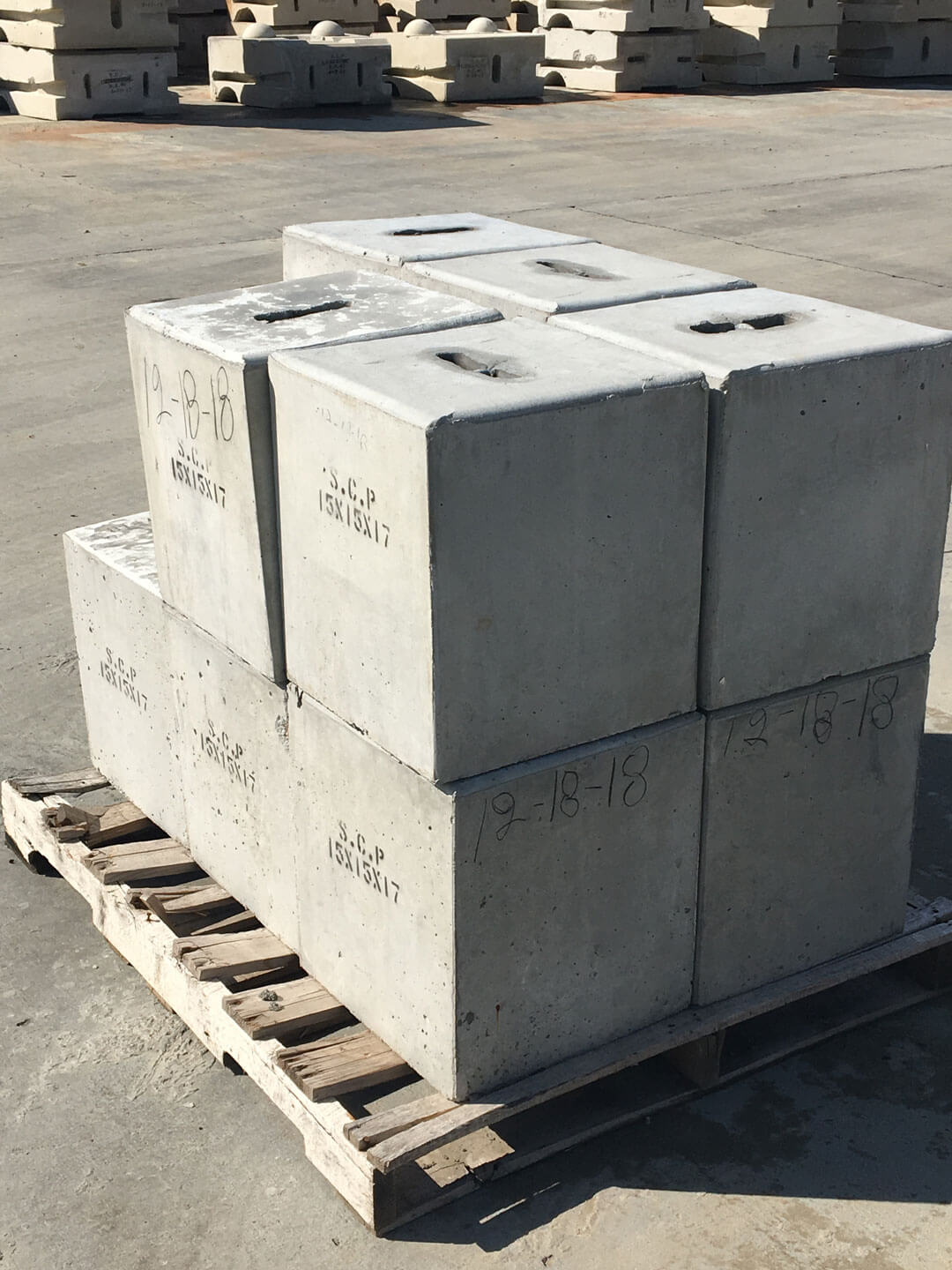

Understanding the cement block weight is crucial for respective building projects, from small DIY tasks to declamatory scale commercial buildings. Cement blocks, also known as concrete masonry units (CMUs), are essential progress materials due to their durability, strength, and versatility. This post will delve into the factors touch cement block weight, the importance of cognize this weight, and how to figure it accurately.
What is a Cement Block?
A cement block is a rectangular block used in construction, typically made from concrete. These blocks are normally used for build walls, foundations, and other structural elements. The standard size of a cement block is 16 inches long, 8 inches eminent, and 8 inches wide, but dimensions can vary base on the producer and specific use case.
Factors Affecting Cement Block Weight
The weight of a cement block can vary base on several factors:
- Size and Dimensions: Larger blocks will naturally weigh more than smaller ones.
- Material Composition: The type and amount of aggregates (such as sand, gravel, and squash stone) used in the concrete mix can affect the weight.
- Density: The density of the concrete mix, which can be influenced by the h2o to cement ratio and the type of cement used, plays a significant role in determining the weight.
- Hollow vs. Solid Blocks: Hollow blocks are lighter than solid blocks due to the presence of voids.
Importance of Knowing Cement Block Weight
Knowing the cement block weight is essential for several reasons:
- Structural Integrity: Understanding the weight helps in designing structures that can withstand the load.
- Transportation and Handling: Knowing the weight aids in planning logistics, include transport and plow equipment.
- Cost Estimation: Accurate weight measurements help in estimating the cost of materials and labor.
- Safety: Proper weight cognition ensures safety during construction, forestall accidents related to lifting and placing heavy blocks.
Calculating Cement Block Weight
To calculate the cement block weight, you need to cognise the volume of the block and the concentration of the concrete. Here s a step by step guide:
- Measure the Dimensions: Determine the length, width, and height of the block.
- Calculate the Volume: Use the formula for the volume of a rectangular prism: Volume Length Width Height.
- Determine the Density: The concentration of concrete typically ranges from 2, 400 kg m³ to 2, 600 kg m³ for standard concrete mixes.
- Calculate the Weight: Multiply the volume by the concentration to get the weight. for illustration, if the volume is 0. 064 m³ and the density is 2, 500 kg m³, the weight would be 0. 064 m³ 2, 500 kg m³ 160 kg.
Note: For hollow blocks, subtract the volume of the voids from the total volume before reckon the weight.
Standard Cement Block Sizes and Weights
Here is a table showing standard cement block sizes and their approximate weights:
| Size (Length Width Height) | Weight (Approximate) |
|---|---|
| 16 8 8 | 38 42 lbs (17. 2 19 kg) |
| 16 8 4 | 28 32 lbs (12. 7 14. 5 kg) |
| 12 8 8 | 30 34 lbs (13. 6 15. 4 kg) |
| 12 8 4 | 22 26 lbs (10 11. 8 kg) |
Applications of Cement Blocks
Cement blocks are used in a variety of expression applications, including:
- Walls: Both doi and outside walls in residential and commercial buildings.
- Foundations: Base structures for buildings and other constructions.
- Retaining Walls: Structures contrive to hold back soil or other materials.
- Landscaping: Features such as garden walls, patios, and walkways.
- Soundproofing: Walls and partitions to trim noise transmission.
Environmental Considerations
While cement blocks are lasting and versatile, their product has environmental impacts. The manufacturing procedure involves substantial energy uptake and the release of greenhouse gases. However, efforts are being made to produce more sustainable cement blocks, including the use of recycled materials and alternative binding agents.
Additionally, the longevity of cement block structures means they require less frequent replacement, reducing the overall environmental encroachment over time.
Safety Precautions When Handling Cement Blocks
Handling cement blocks requires heedful attention to safety. Here are some key precautions:
- Use Proper Lifting Techniques: Always lift with your legs, not your back, to avoid injuries.
- Wear Protective Gear: Use gloves, safety glasses, and steel toed boots to protect against injuries.
- Avoid Overloading: Do not attempt to lift more blocks than you can safely handle.
- Secure the Work Area: Ensure the act area is open of debris and obstacles to prevent trips and falls.
Note: Always follow local safety regulations and guidelines when handle and transporting cement blocks.
In drumhead, understanding the cement block weight is vital for assorted expression projects. It ensures structural integrity, aids in logistics plan, helps in cost approximation, and enhances safety. By knowing the factors that affect the weight and how to calculate it, you can make informed decisions that lead to successful and safe building outcomes.
Related Terms:
- weight of clinker block 8x8x16
- cement block weight estimator
- 4x8x16 concrete block weight
- weight of solid concrete block
- 8x8x16 cement block weight
- weight of concrete block 8x8x16