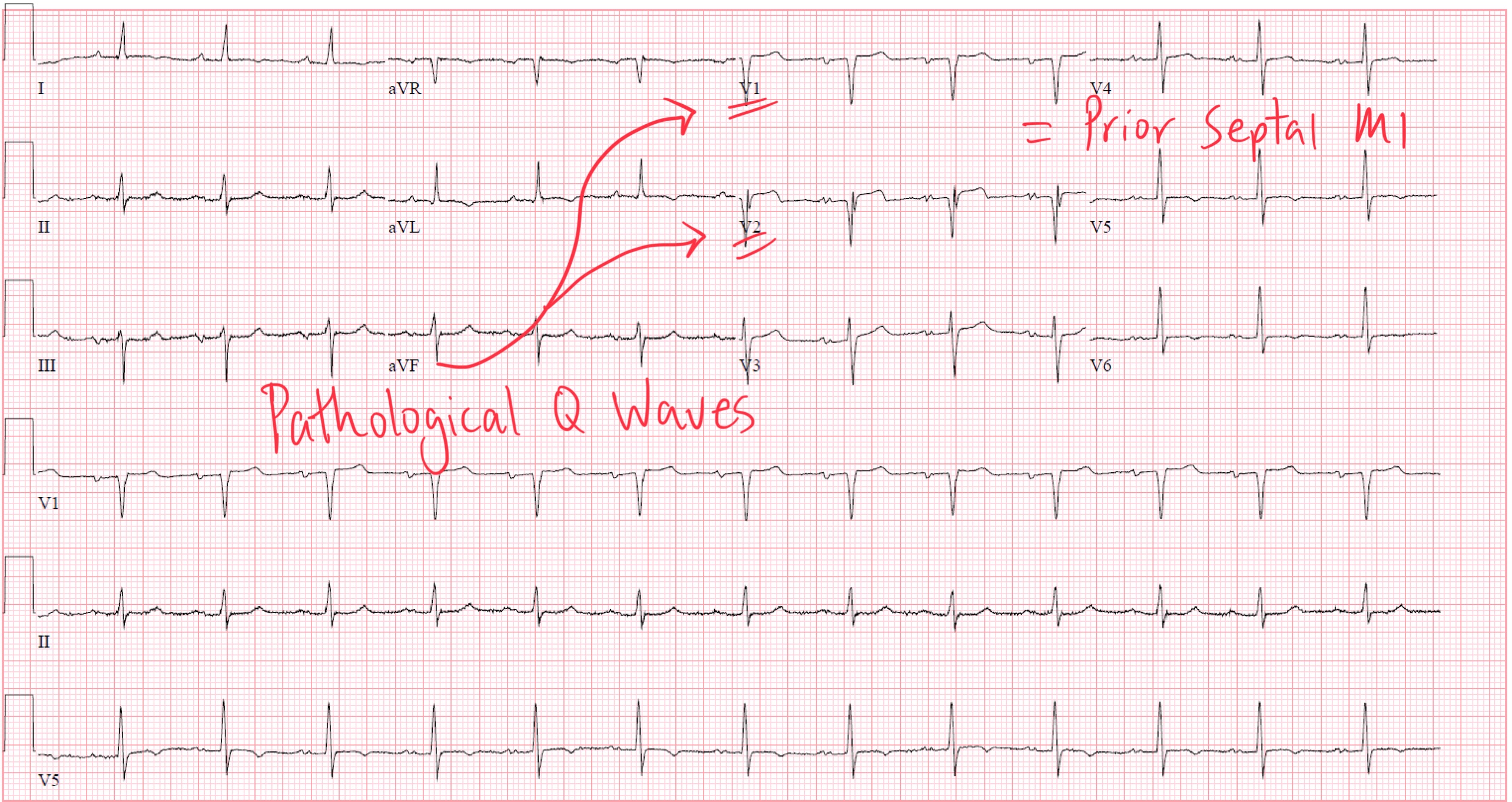

Understanding the eminence between morbid vs physiologic conditions is crucial in the fields of medicine and health sciences. These terms are often used to trace different states of health and disease, and recognizing the differences can significantly impact diagnosis, treatment, and overall patient care. This blog post delves into the definitions, examples, and implications of morbid and physiologic conditions, providing a comprehensive overview for healthcare professionals and curious readers alike.
Understanding Physiological Conditions
Physiological conditions refer to the normal go of the body and its systems. These conditions are essential for keep health and good being. Physiological processes are modulate by various mechanisms that ensure homeostasis, the body's ability to preserve internal constancy despite external changes.
Examples of physiologic conditions include:
- Normal blood press
- Regular heart rate
- Healthy digestion
- Normal hormone levels
- Proper immune response
These conditions are life-sustaining for the body to function optimally. Any deviation from these norms can indicate a pathologic stipulation.
Exploring Pathological Conditions
Pathological conditions, conversely, refer to unnatural states that disrupt the normal operate of the body. These conditions can be caused by various factors, including infections, familial disorders, environmental toxins, and lifestyle choices. Pathological conditions often require medical interposition to manage or cure.
Examples of pathologic conditions include:
- Hypertension (high blood press)
- Diabetes
- Cancer
- Infectious diseases (e. g., COVID 19, influenza)
- Autoimmune disorders (e. g., rheumatoid arthritis, lupus)
Pathological conditions can affect any part of the body and can range from mild to severe. Early detection and treatment are crucial for care these conditions efficaciously.
Pathological Vs Physiological: Key Differences
The distinction between pathological vs physiological conditions is essential for accurate diagnosis and treatment. Here are some key differences:
| Aspect | Physiological Conditions | Pathological Conditions |
|---|---|---|
| Definition | Normal functioning of the body | Abnormal states disrupting normal functioning |
| Examples | Normal blood pressure, regular heart rate | Hypertension, diabetes, crab |
| Cause | Natural processes and mechanisms | Infections, genetic disorders, environmental factors |
| Treatment | Maintenance and indorse | Medical intercession, management, or cure |
Understanding these differences can assist healthcare professionals get inform decisions about patient care and treatment plans.
Diagnosing Pathological Conditions
Diagnosing pathological conditions involves a series of steps, include aesculapian history, physical interrogatory, and symptomatic tests. Accurate diagnosis is crucial for effective treatment and management.
Steps in name morbid conditions:
- Medical History: Gathering info about the patient's symptoms, medical history, and lifestyle.
- Physical Examination: Conducting a thorough physical exam to place any signs of disease.
- Diagnostic Tests: Ordering laboratory tests, see studies, and other symptomatic procedures to confirm the diagnosis.
- Specialist Consultation: Referring the patient to a specialist for further valuation and treatment if necessary.
Note: Early diagnosis can significantly better the prognosis and calibre of life for patients with morbid conditions.
Managing Pathological Conditions
Managing pathologic conditions oft involves a multidisciplinary approach, include medication, lifestyle changes, and ongoing monitoring. The end is to control symptoms, prevent complications, and improve the patient's overall health.
Common management strategies include:
- Medication: Prescribing drugs to treat symptoms and underlying causes.
- Lifestyle Changes: Recommending dietary modifications, exercise, and stress management techniques.
- Ongoing Monitoring: Regular postdate ups and tests to proctor the precondition and adjust treatment as want.
- Supportive Care: Providing emotional and psychological back to help patients cope with their condition.
Effective management requires a collaborative effort between the patient and healthcare squad, ensuring that the treatment plan is tailored to the individual's needs and preferences.
Preventing Pathological Conditions
Prevention is a key aspect of healthcare, focus on reducing the risk of developing morbid conditions. Preventive measures can include lifestyle modifications, vaccinations, and regular health screenings.
Preventive strategies include:
- Healthy Lifestyle: Maintaining a balanced diet, regular exercise, and avoiding harmful substances like tobacco and undue alcohol.
- Vaccinations: Getting commend vaccinations to prevent infectious diseases.
- Regular Screenings: Undergoing regular health check ups and screenings to detect possible issues betimes.
- Education: Educating individuals about the risks and symptoms of common pathological conditions.
By assume these prophylactic measures, individuals can significantly reduce their risk of develop morbid conditions and improve their overall health.
The Role of Physiological Conditions in Health
Physiological conditions play a all-important role in sustain overall health and good being. Understanding and back these conditions can assist prevent the onset of pathologic conditions and promote a healthy lifestyle.
Key physiological conditions to admonisher include:
- Blood Pressure: Maintaining normal blood pressure levels to prevent hypertension and associate complications.
- Blood Sugar: Keeping blood sugar levels within the normal range to prevent diabetes and its complications.
- Cholesterol Levels: Monitoring cholesterol levels to cut the risk of heart disease and stroke.
- Immune Function: Supporting a healthy immune system to prevent infections and diseases.
Regular monitoring and alimony of these physiological conditions can assist individuals stay healthy and cut the risk of developing pathological conditions.
Case Studies: Pathological Vs Physiological
To illustrate the distinction between diseased vs physiologic conditions, let's see a few case studies.
Case Study 1: Hypertension
John, a 50 year old man, visits his physician for a routine check up. His blood pressure is measured at 140 90 mmHg, which is above the normal range of 120 80 mmHg. This indicates a pathologic condition known as hypertension. The doctor recommends lifestyle changes, such as a low sodium diet and regular do, and prescribes medication to negociate his blood pressing.
Case Study 2: Normal Blood Pressure
Sarah, a 35 year old woman, also visits her dr. for a routine check up. Her blood press is mensurate at 120 80 mmHg, which is within the normal range. This indicates a physiologic condition, and the dr. advises her to preserve maintaining a healthy lifestyle to keep her blood pressure in check.
These case studies spotlight the importance of regular health check ups and the distinction between morbid vs physiologic conditions.

Understanding the differences between these conditions can aid healthcare professionals provide reserve care and treatment.
In the realm of healthcare, the differentiation between morbid vs physiologic conditions is fundamental. Physiological conditions correspond the body s normal operate, while pathological conditions show abnormalities that command medical attention. Recognizing and addressing these differences is essential for accurate diagnosis, effective treatment, and better patient outcomes. By realize the key differences and implement prophylactic measures, individuals can maintain their health and easily being, trim the risk of developing pathological conditions.
Related Terms:
- conflict between pathology and physiology
- pathophysiological
- physiologic vs diseased definition
- divergence between pathologic and physiologic
- physiological vs morbid definition
- difference between physiologic and pathological